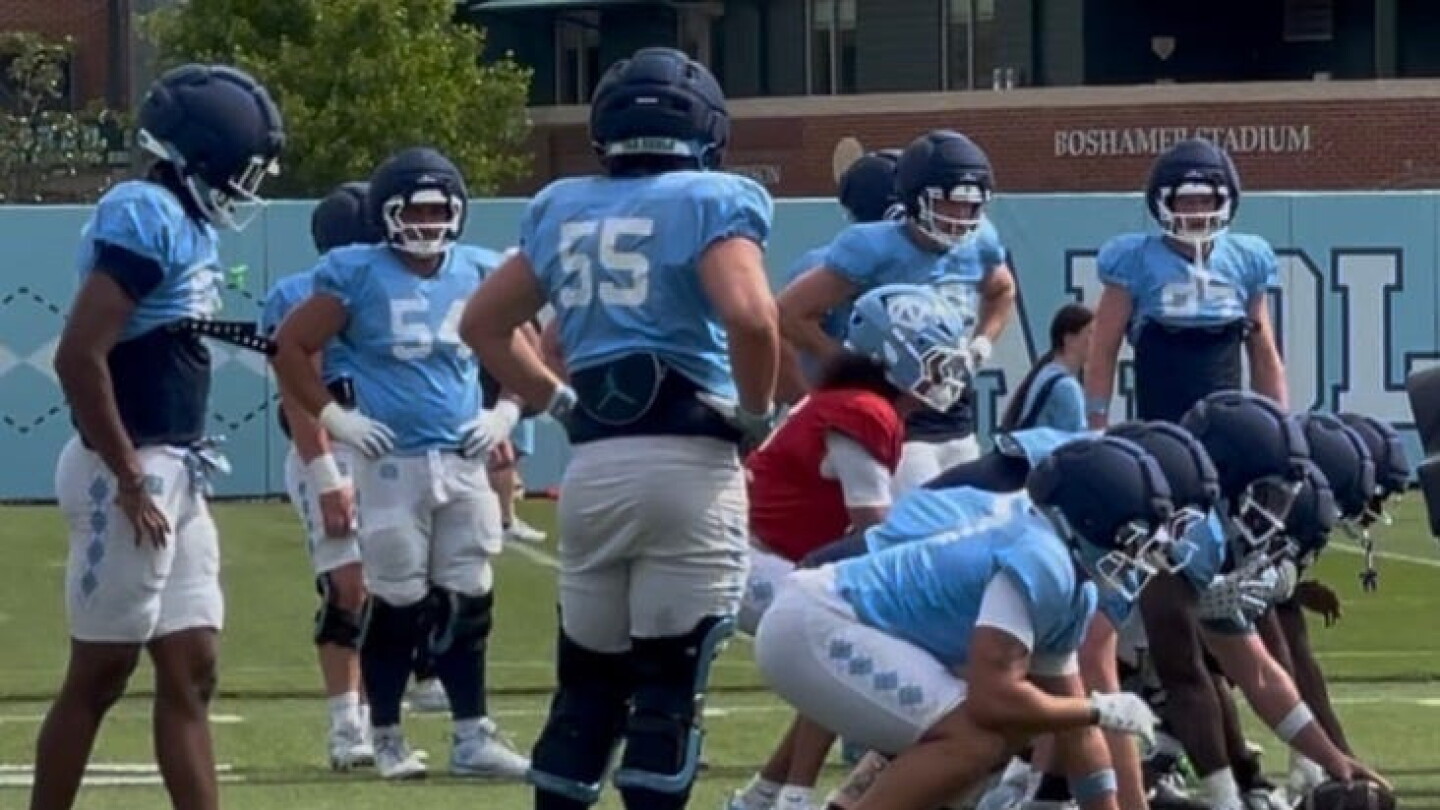
Professional organizations are increasingly looking toward the changing landscape of collegiate eligibility rules, with Bill Belichick notably exploring the potential acquisition of athletes who may qualify for a fifth year. As legal and administrative pathways for collegiate extensions evolve, some schools are choosing to approach the inclusion of fifth-year players with caution. Notre Dame is among those programs that are reportedly not actively seeking to add players from the class of 2022 who might be granted an additional year of eligibility through the court system.
The intersection of amateur athletic rules and judicial intervention has created a complex environment for recruitment and roster management. Coaches at both the professional and collegiate levels are attempting to gauge how these potential extra years of eligibility will impact team construction and talent pipelines. The uncertainty surrounding which players will be granted extensions, and the potential implications for team depth, has forced programs to adapt their long-term planning.
Belichick’s interest underscores the importance of staying informed on how these regulatory developments might influence future talent pools. By understanding the eligibility landscape, professional decision-makers can prepare for various scenarios that may arise as players navigate these new avenues for career extension. The landscape of college sports continues to be heavily influenced by ongoing legal reviews that challenge traditional eligibility limits.
As these developments unfold, the interaction between collegiate programs and professional evaluators will remain a critical area of focus. With schools evaluating their own policies on fifth-year players, the broader impact on the talent market will likely become more defined in the coming months. The focus for many programs remains on maintaining compliance with changing regulations while attempting to attract the best possible talent for their respective squads. For professional scouts, the challenge will be accurately identifying which players will remain in the collegiate system and how their status will impact future draft eligibility.