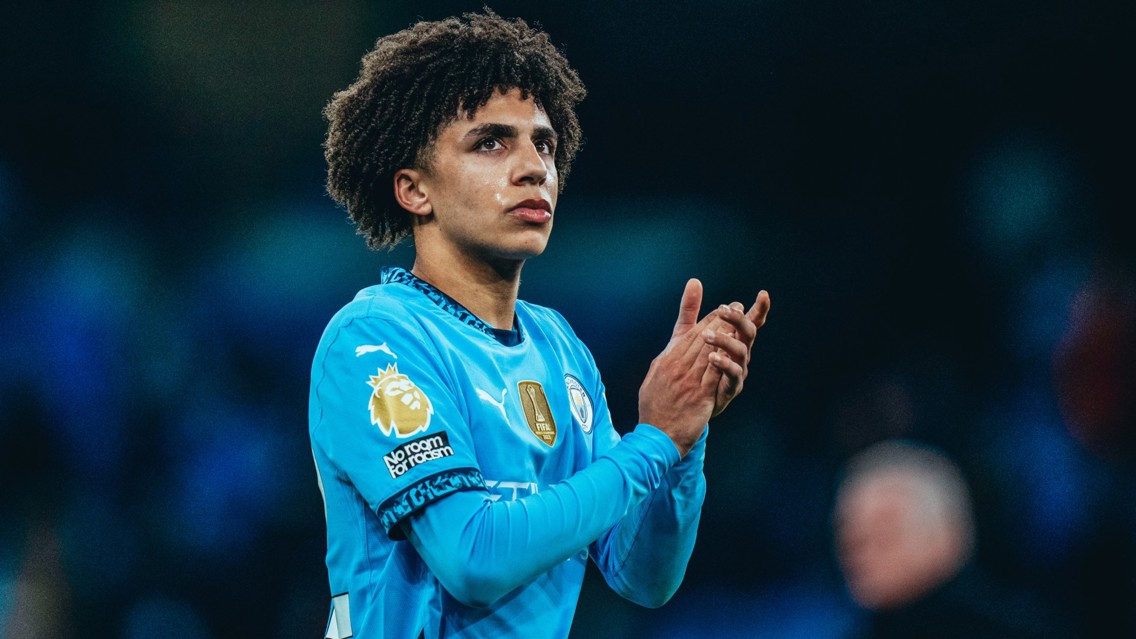
In the recent Premier League encounter against Bournemouth, Manchester City manager Enzo Maresca deployed defender Marc Guéhi in a surprise central midfield role. The adjustment was intended to solve immediate personnel challenges during the match, but the tactical decision has sparked discussion regarding the team's long-term transfer needs and depth. Maresca, speaking after the game, acknowledged that while the experiment was necessary given the circumstances, he hopes to avoid such situations in the future.
The role required Guéhi to bridge the gap between the defense and the creative attacking line, a position that demands significant tactical discipline and technical proficiency. While he performed his duties effectively, the coach emphasized the importance of having specialized players in the midfield area to ensure the team maintains its rhythm throughout the 90 minutes. The move highlights the potential gaps in the current squad roster that Maresca intends to address.
Maresca’s post-match comments suggest that transfer strategy will continue to be a priority for the organization as they seek to strengthen their midfield options. Maintaining depth is essential for a team competing on multiple fronts, particularly in the Premier League where the intensity of play remains high. The versatility shown by Guéhi is a credit to his defensive background, but the manager believes that specialized roles require a different skill set that is best filled by traditional midfielders.
As Manchester City moves into the remainder of the season, the tactical setup remains a subject of intrigue. Maresca is expected to lean on his established core while potentially targeting acquisitions in the upcoming transfer windows to bolster the midfield ranks. The team’s focus is clear: to ensure that tactical flexibility is driven by personnel depth rather than reactive shifts in positioning.